
The recent intervention by the United States in Venezuela shows how volatile international power relations have become. At the same time, it highlights how limited Europe’s room for manoeuvre is as long as it mainly reacts instead of setting its own course. In that context, policy alone is no longer sufficient.
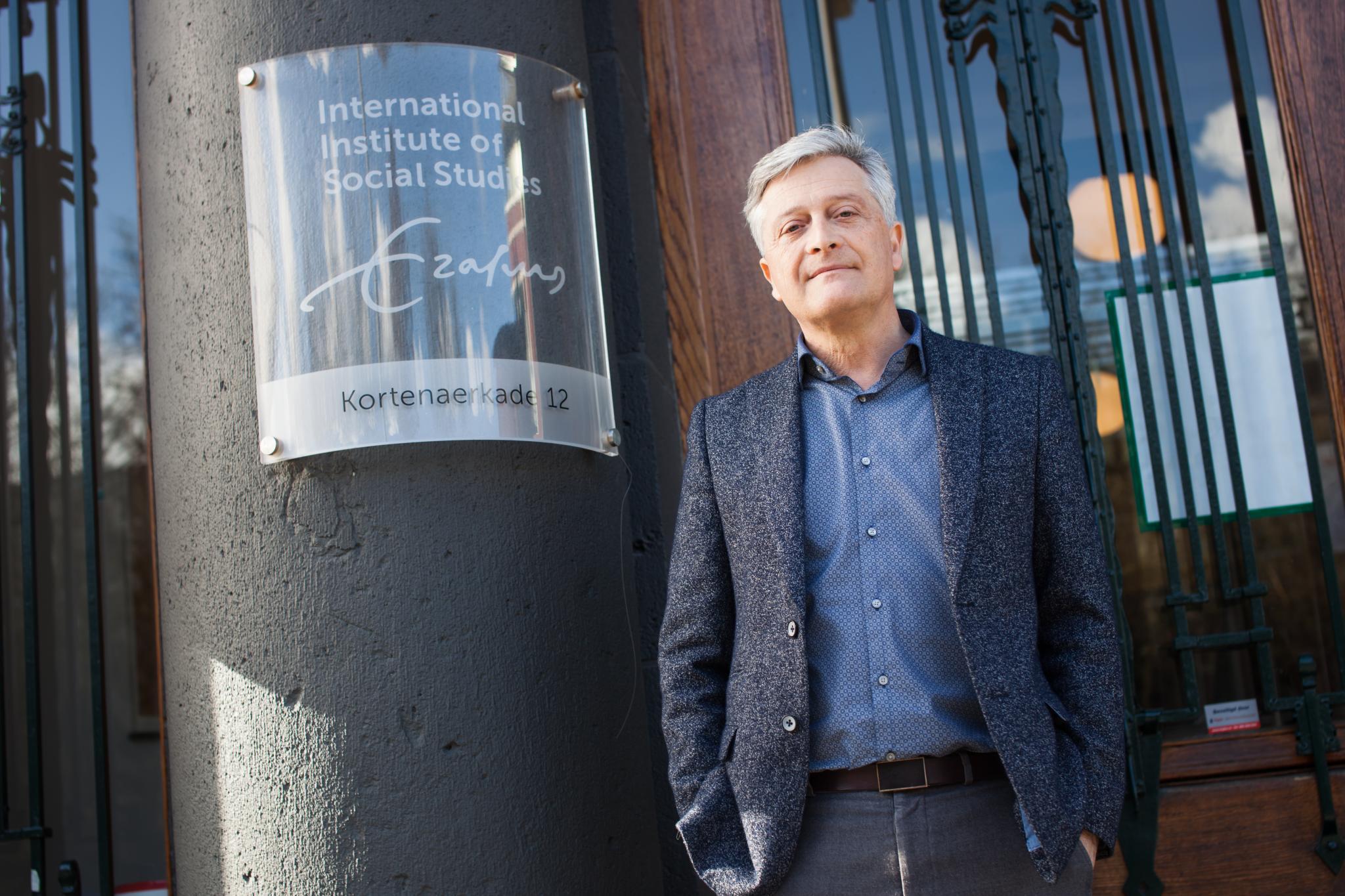
According to Peter Knorringa, professor at the Institute for Social Studies (ISS), a significant part of the answer lies outside the diplomatic arena: in the business sector and in local contexts.
“We have several important insights at our disposal that can help Europe choose a new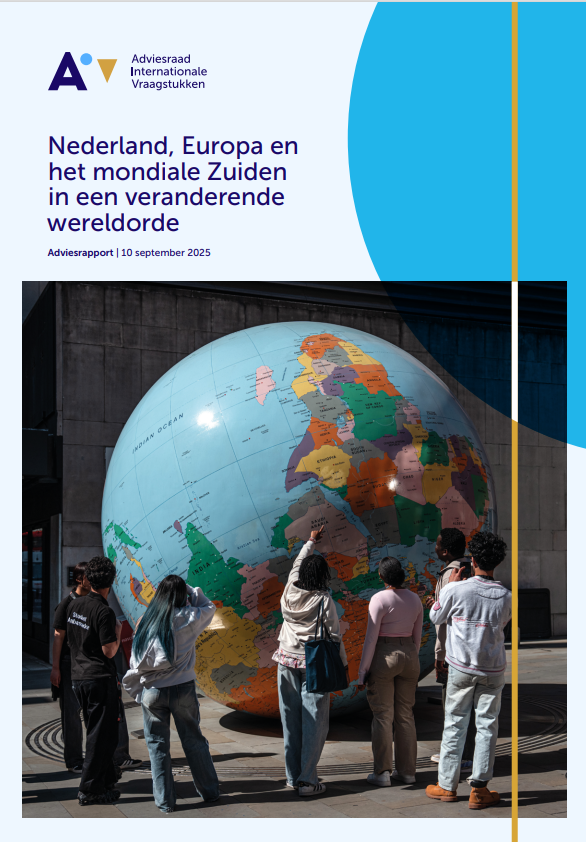 direction,” says Knorringa, who in addition to his professorship at ISS is scientific director of the Leiden–Delft–Erasmus International Centre for Frugal Innovation. He describes the recent AIV report The Netherlands, Europe and the Global South in a Changing World Order as a thorough and valuable analysis.
In my view, it remains too focused on diplomacy and policy. Governments often assume that policy sets the direction, while in practice change is driven by society — and the role of the business sector is far greater than is often acknowledged.'
At the same time, he adds a caveat. ‘In my opinion, it remains too focused on the world of diplomacy and policy. Governments often think that they determine the direction with policy, while in practice changes are actually driven by society — and the business community plays a much greater role in this than is often assumed.’
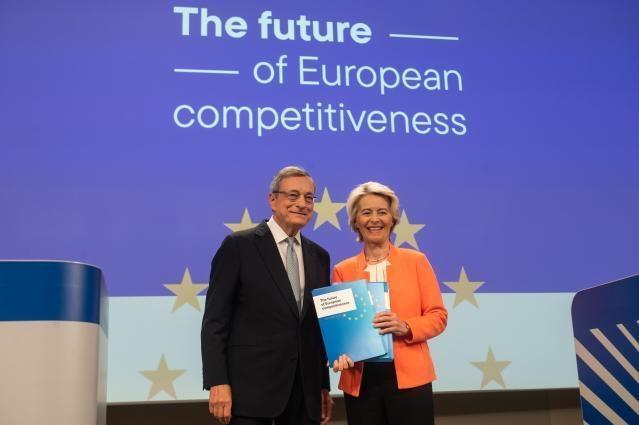
Cross-fertilisation with the Draghi report
Knorringa therefore argues for cross-fertilisation between the insights of the AIV report and those of the Draghi report on the strategic direction of the European economy. “If you want to reshape cooperation with the Global South, you need to build bridges between policy, diplomacy, economics and social justice,” he says.
This requires a reassessment of Europe’s own position. “Europe needs to find a way to act as a power bloc based on its own strengths: the Green Deal, and an economy that puts people and their economic and social well-being at its centre. From that perspective, we can reshape partnerships with countries in the Global South in a more equal way.”
Acting as Team Europe
A crucial step, according to Knorringa, is for Europe to truly operate as Team Europe — and to fundamentally rethink what for a long time was called ‘development cooperation’. “Building new, equal partnerships requires an attitude in which you do not set the agenda in advance, but arrive at an approach together,” he says.
We are often seen as an old colonial power that governs from the top down.'
That shift is not easy. Europe’s historical role as a colonial power still weighs heavily. “We are often seen as an old colonial power that governs from the top down. As a result, countries sometimes opt more readily for cooperation with China or Russia.”
Experimenting with forms of cooperation
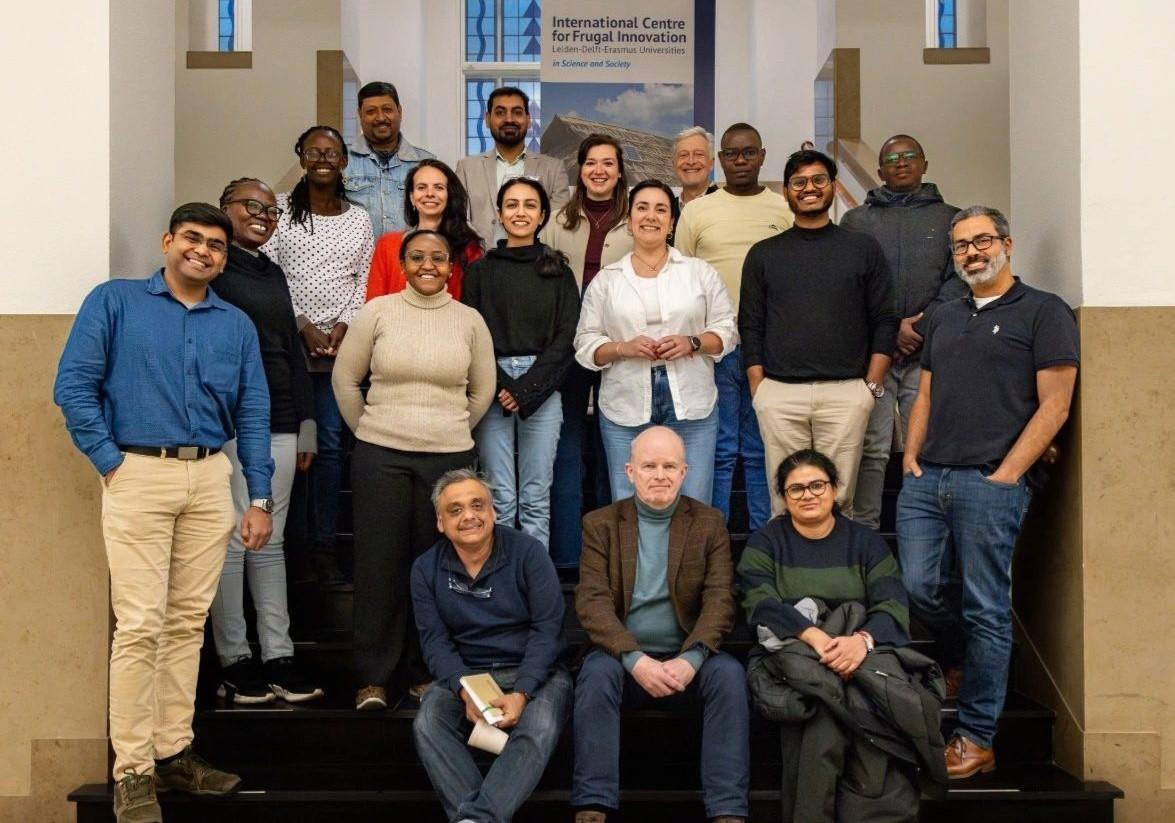
At the International Centre for Frugal Innovation, Knorringa and his colleagues work with local companies and knowledge institutions on practical, context-specific and affordable solutions to sustainability challenges. In this approach, he sees a fundamentally different way of thinking about international cooperation. “These kinds of local initiatives, often closely linked to entrepreneurial activity, are far more agile than what we typically see in academic discourse,” he says.
“Western science is deeply embedded in protocols and in a particular notion of what knowledge is. That limits the space for approaching challenges in a truly equal way.” In that sense, Knorringa argues, policy often lags behind developments in practice, where businesses and social initiatives are already experimenting with new norms and forms of collaboration.
Between innovation and rigidity
While he acknowledges that change is under way, Knorringa also points to the resilience of political and academic systems. Alongside innovative practices, there remains a parallel reality in which policy and regulation dominate.
We risk falling behind — precisely when innovation is most needed.'
“In Europe, we have laid down a great deal in protocols and legislation, often with the intention of protecting ourselves from undesirable influences,” he says. “But in dynamic times, such as the digital revolution, this also makes us less agile. We risk falling behind — precisely when innovation is most needed.”
A key role for knowledge institutions
When it comes to innovative, equal partnerships, Europe has much to offer, Knorringa believes. Europe’s focus on people and well-being is a major strength. “But technological approaches, such as those highlighted in the Draghi report and the recent Wennink report, must be explicitly connected to social perspectives,” he argues. “If we fail to do that, we risk recreating structural inequalities in what may otherwise be a more sustainable system.”
Knowledge institutions can play a key role here. “With frugal innovations, we always start by engaging in dialogue with local partners,” Knorringa says. “That same approach is highly relevant for exploring equal international partnerships: listening carefully to what is happening locally, applying your own sectoral expertise — for example in water or agriculture — and learning from the solutions partners themselves put forward.
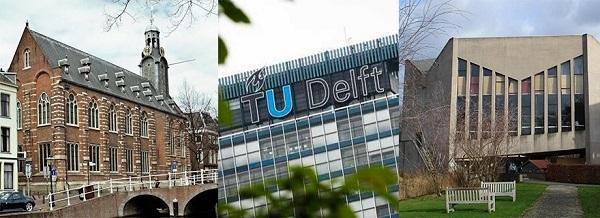
Within LDE, the collaboration between the universities of Leiden, Delft and Erasmus, we are able to do something distinctive: bringing together complementary forms of knowledge and offering them to our international partners as a coherent and integrated whole.”
Minilateralism and the role of the private sector
Knorringa views the emphasis on minilateralism in the AIV report — cooperation with several countries within a region — as a promising direction. “Fruitful partnerships tend to emerge in countries where structural challenges coexist with an entrepreneurial, dynamic private sector,” he says. “You need not only shared challenges, but also sufficient stability to work on them together.”
Countries such as Kenya, Ghana, Nigeria, India, Vietnam and Colombia are, in his view, well suited to such an approach. “This calls for a further reorientation of our foreign policy, in which we make more deliberate choices about the countries we work with and the sectoral expertise the Netherlands brings to the table.”

Being invited
According to Knorringa, this requires the same open attitude he sees among many young, committed social entrepreneurs: entering local development processes without preconceptions and jointly searching for solutions to sustainability challenges. That, however, is only possible if you are invited to participate.
Many of those scholarship programmes have disappeared. For that too, we need to develop new approaches at the European level.'
“In the past, alumni from the Global South who had studied in the Netherlands on scholarships often played a key role in opening those doors,” he says. “Many of those scholarship programmes have disappeared. For that too, we need to develop new approaches at the European level.”
For Knorringa, the key to new, equal partnerships lies in making mutual benefits visible and in being genuinely willing to listen to what ‘equality’ means to others. “Next week, we will be meeting at our centre with partners from India, Kenya and Colombia to discuss renewed cooperation,” he says. “Someone asked: where is the agenda? But there isn’t one — we will define it together, on the spot.”