
Below you find the project descriptions of the four awarded Seed Projects that were officially launched on the 1st of February 2026. Rooted in practice and in living labs, the Seed Projects focus on the (peri-)urban environment, where the issues of urban heat islands, loss of (urban) biodiversity, and lack of connection to nature are increasingly affecting the quality of life for humans and non-humans. By developing better monitoring tools, using citizen science, nature-inclusive design and engaging with art, these projects are planting new ‘seeds’ in and around the Leiden-Delft-Erasmus universities.
Seeds Projects emerge from place-based practical issues…
The four awarded projects were selected based on our criteria for practice-oriented research and education (see our Seed Fund Guidelines), including transdisciplinarity, ability to connect the issues of climate change and biodiversity loss, practical relevance and potential for long-term continuity. Each project is required to involve at least two of the three LDE-universities and one or more relevant societal partners to stimulate integral thinking and working. This approach allows ideas to grow from real-world social and environmental issues or from experts in the field, rather than from a top-down vision.
…and can be embedded in broader international goals
This year’s projects are rooted in different (outdoor) locations or living labs, such as the Green Village (Delft) and Buitenplaats Brienenoord (Rotterdam). While each project is different in its approach, objective and involved partners, they are similar in how they aim to shift perspectives on the impacts of climate change on (peri-)urban biodiversity and vice versa. In doing so, they organise workshops, collect data, test new technologies and shift ways of doing. The projects are thematically embedded in broader international goals, as highlighted in a joint report between IPBES and IPCC.1 Overlapping themes that emerged from this year’s seed funds are, among others, quantification of social impacts of biodiversity, reconnecting to nature, nature-inclusive design and reducing urban heat island (UHI) effects.
Interested in one or more of these projects? Contact our program coordinator Suzanne van den Bosch at: s.j.m.van.den.bosch@cml.leidenuniv.nl
1 Almeida Magris, R.; Benessaiah Canada, K.; Bonilla-Moheno, M.; Chandipo, R.; Gemmill-Herren, B.; Pereira, M. (2021). IPBES-IPCC CO-SPONSORED WORSHOP REPORT ON BIODIVERSITY AND CLIMATE CHANGE. Sections 11, 15, 27, 30, 33. p.17-23.
2026 Awarded Projects
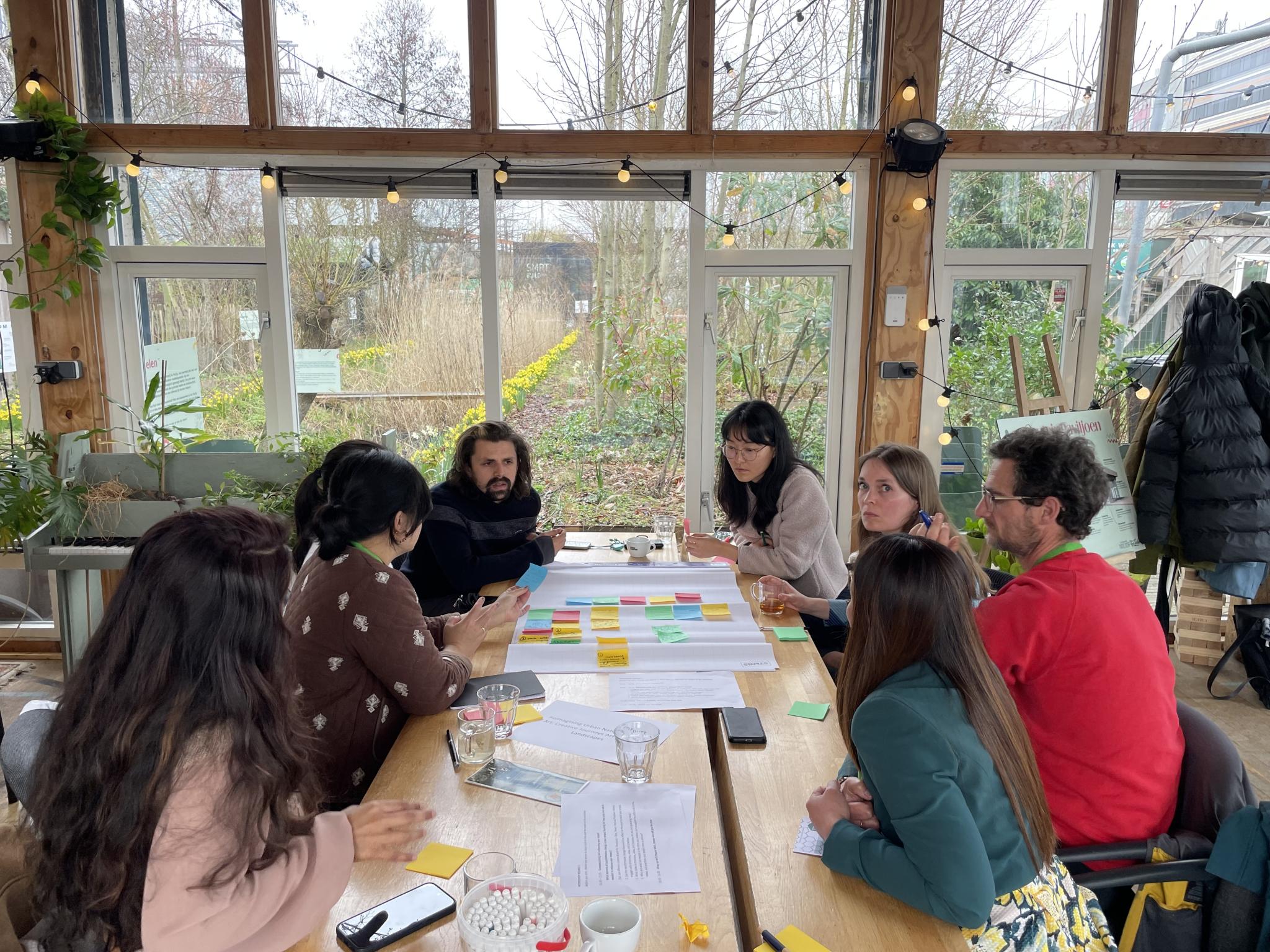
1: Reimagining urban nature through art: creative journeys across Dutch landscapes
This project explores how creative practice and scientific inquiry can work together to restore human–nature connections in the context of climate change and biodiversity loss, while strengthening education, research, and community engagement. Through creative workshops and small-scale ecological exploration, participants will transform their encounters with rivers, forests, and coastal landscapes into shared artworks and innovative educational approaches.
The interdisciplinary project team brings together expertise on multi-species design, creative-critical methods, and community engagement. Involved faculties and societal partners are:
- Institute for Housing and Urban Development Studies – Erasmus University Rotterdam
- Institute of Environmental Sciences (CML), Faculty of Science – Leiden University
- Faculty of Humanities (HUM) – Leiden University
- Faculty of Architecture and the Built Environment – TU Delft
- Artist partners
- Buitenplaats Brienenoord
2: Connecting the Green Dots
This project examines to what extent climate-motivated interventions contribute to long-term biodiversity and how monitoring can be embedded in nature-inclusive design. Across the Leiden, Delft and Erasmus campuses, existing greening interventions will be mapped and their maintenance and monitoring practices assessed to identify key barriers to biodiversity improvement. The findings will inform a student-led intervention at The Green Village and provide practical guidance for future campus initiatives.
This interdisciplinary project team combines landscape architecture and nature-inclusive design with biodiversity monitoring. Involved faculties and societal partners are:
- Institute of Environmental Sciences (CML), Faculty of Science – Leiden University
- Faculty of Architecture and the Built Environment – TU Delft
- The Green Village, Delft
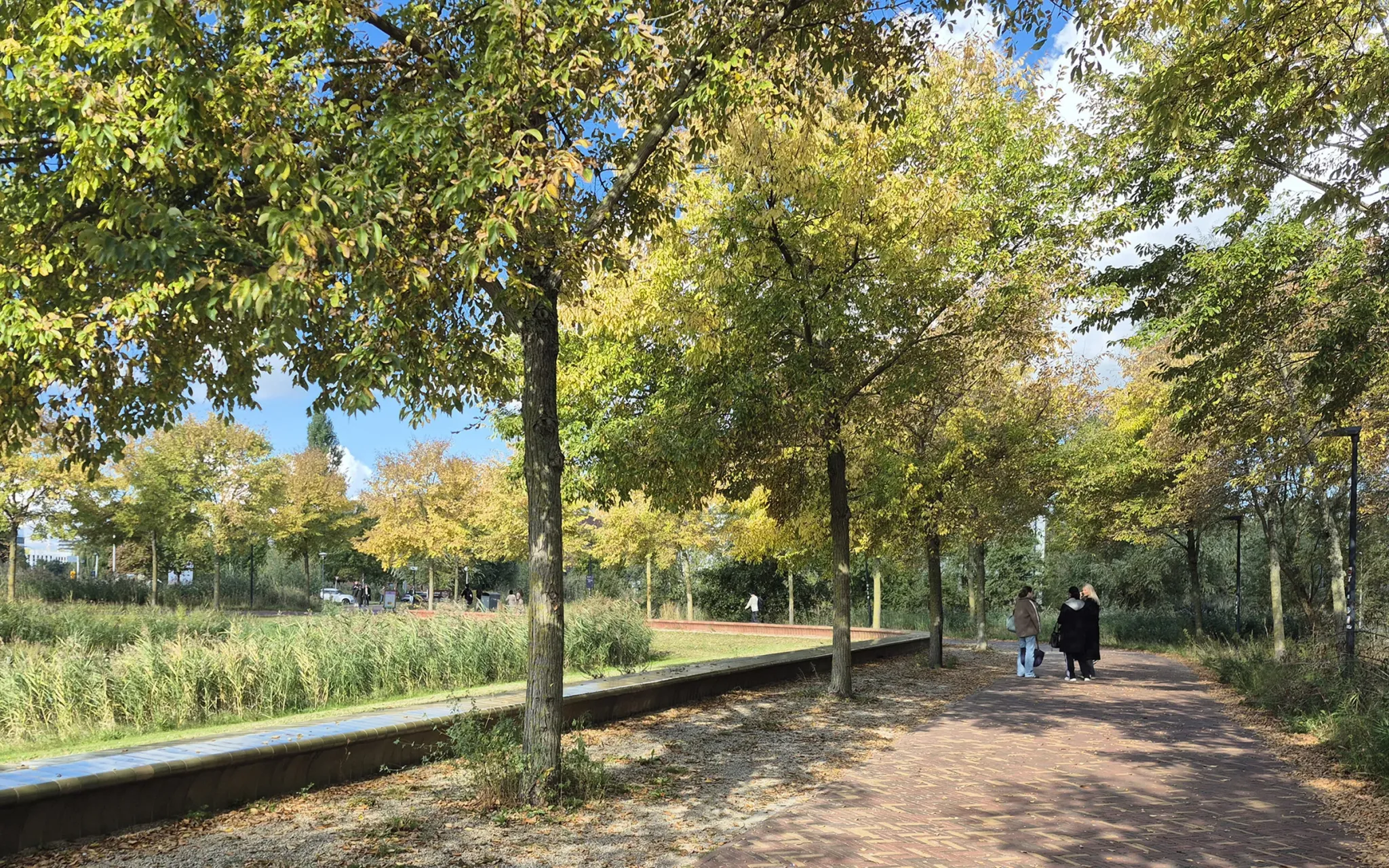
3: A consolidated LDE Toolbox for Climate and Biodiversity Citizen Science
This project will develop an LDE Toolbox for Climate and Biodiversity Citizen Science as a ‘living document’ that brings together existing citizen science methods, tools, and protocols from the three universities to engage the public in collecting data and generating insights for informed action. A first selection of these approaches will be integrated into the 2026 Expedition City Nature event, where neighbourhood residents will participate in biodiversity and nature monitoring activities to create local impact.
This interdisciplinary project team combines expertise on citizen science and biodiversity monitoring. Involved faculties and societal partners are:
- Citizen Science Lab (LURIS) – Leiden University
- Innovation and Impact Centre – TU Delft
- Erasmus School of Social and Behavioural Sciences – Erasmus University Rotterdam
- Open Science Erasmus
- Naturalis Biodiversity Centre
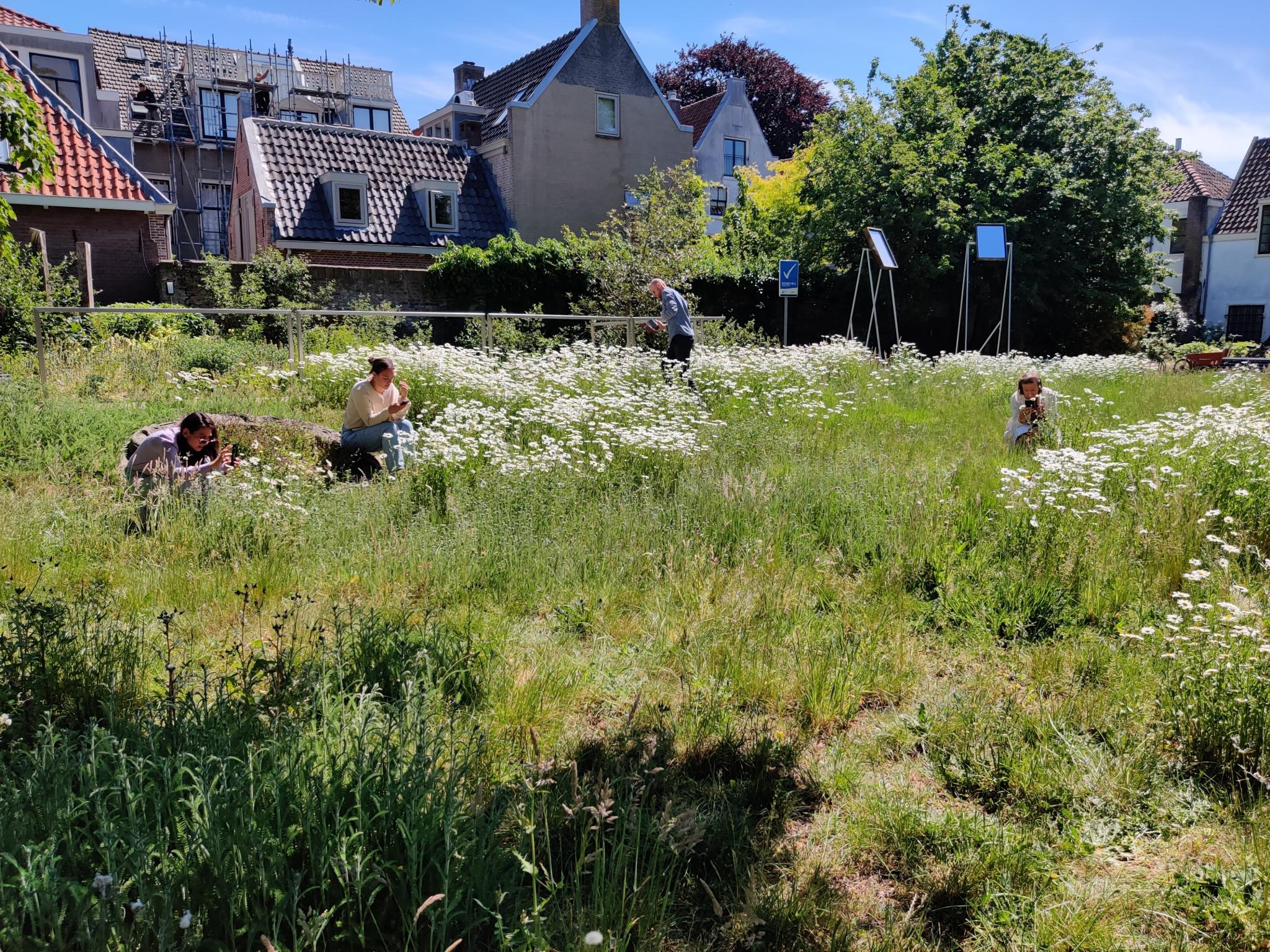
4: UrbanScapes: A participatory sensing platform for mapping urban environmental parameters on a large scale
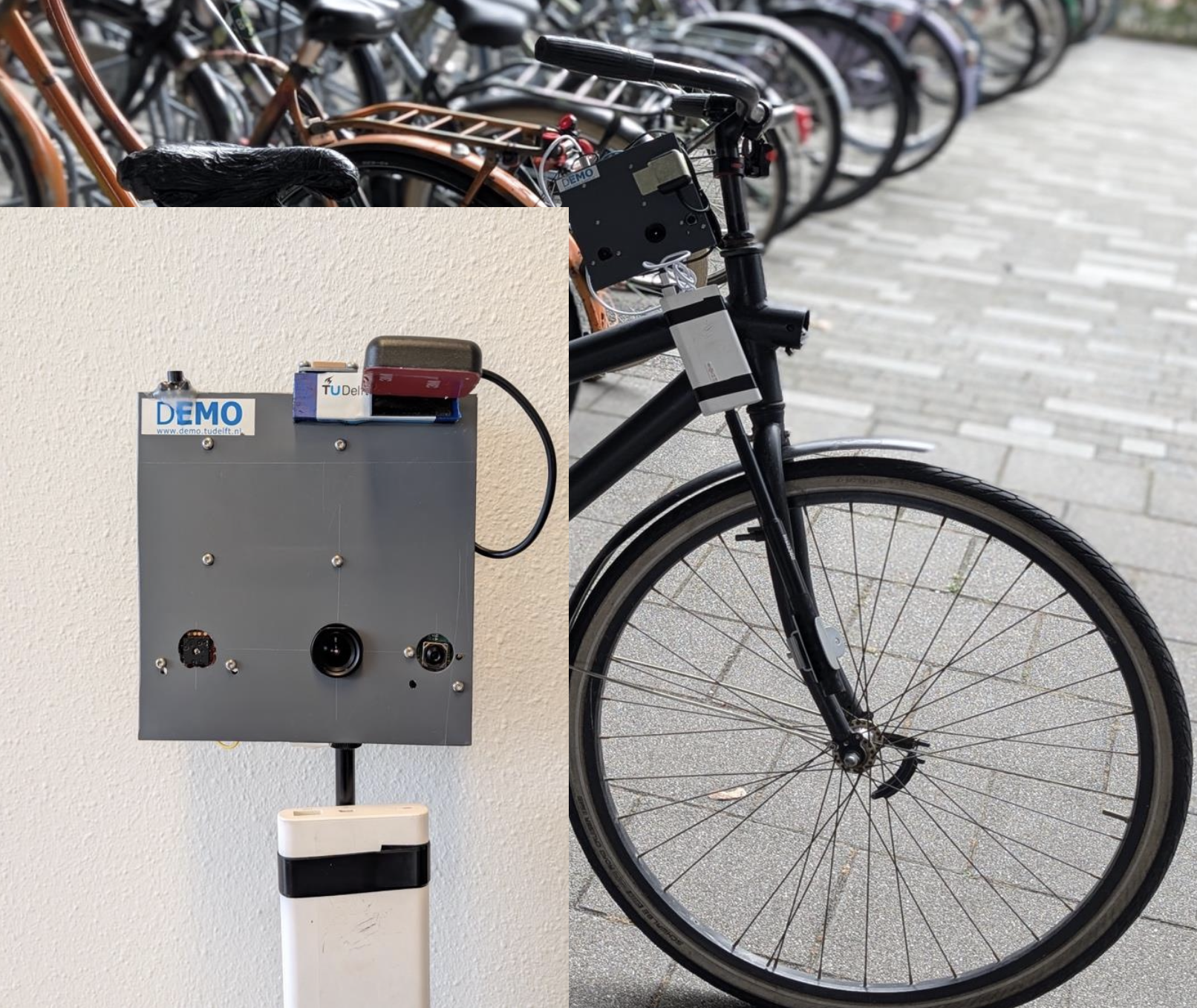
In this project UrbanScapes is developed, an integrated hardware and software platform that uses participatory sensing to monitor urban environments. By opportunistically capturing high-resolution, calibrated multispectral imagery, the platform enables data-driven interventions and better management of urban assets. Ultimately, it allows cities to not just create but actively evaluate their climate adaptation policies.
This interdisciplinary project team brings together expertise on urban ecological dynamics, sensor integration and physics-based models. Involved faculties and societal partners are:
- Department of Environmental Biology, Institute of Environmental Sciences (CML) – Leiden University
- Faculty of Electrical Engineering, Mathematics and Computer Science (EWI) – TU Delft
- The Green Village, Delft