
Sea level rise, geopolitical tensions, import tariffs – the consequences can be significant, especially in a region that relies on trade, ports and valuable real estate. Economists Tatiana Filatova and Mark Thissen still see opportunities. By Irene Salverda
Conflicts and tensions are coming thick and fast. What effect does this have on the economy of South Holland?
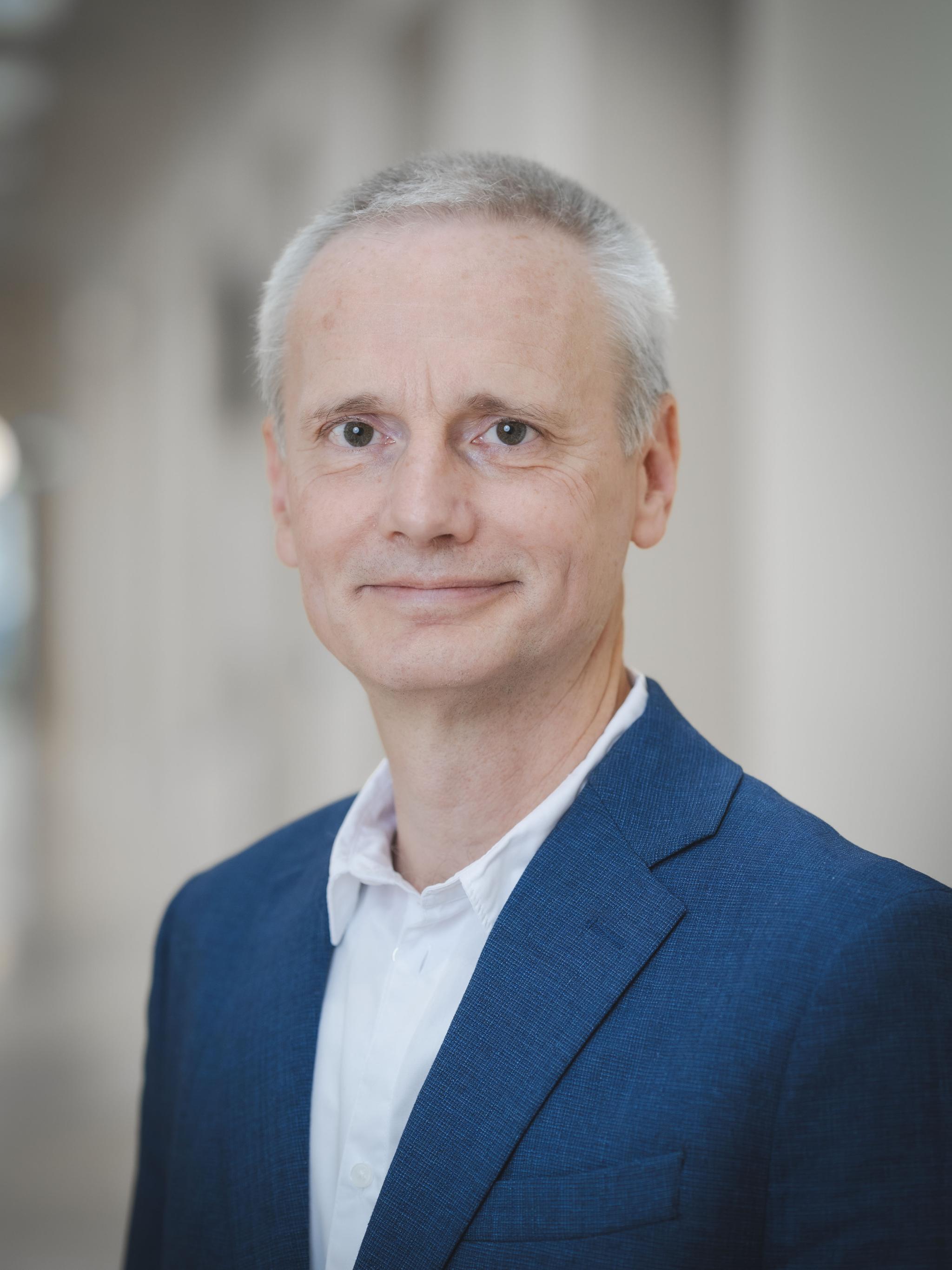 Mark Thissen: ‘After North Brabant, South Holland is the province that is most internationally intertwined with the global economy outside Europe. This makes South Holland vulnerable to trade conflicts, geopolitical tensions and energy crises. Think of tensions surrounding the price and availability of energy, Brexit, the war in Ukraine and American import tariffs. Such developments affect exports, production and jobs throughout the Netherlands, and certainly in this region.
 Tatiana Filatova: 'Sea level rise poses a specific risk to this region. Although we are still well protected at present, the physical vulnerability of a coastal area also makes us economically vulnerable in the long term – especially certain markets and groups in society, such as the housing market and low-income households. Yet we are still building our houses as if the climate will remain as it was, for example Westergouwe in Gouda-West. As the ground subsides and sea levels rise, pressure on space also increases. Population growth, housing construction and climate adaptation are competing for the same piece of land. We need to realise that we are not only designing our infrastructure and homes for today, but also for the changing climate of tomorrow.
Climate change is not only a physical threat but also a financial risk.'
That sounds worrying. Should we be concerned about the near future in this region?
Filatova: 'South Holland has unique knowledge and infrastructure to respond to major international challenges, such as climate change. The knowledge infrastructure – from engineering and consultancy firms to research institutions such as TNO, Deltares, the Netherlands Environmental Assessment Agency, and the three leading universities – is developing all kinds of solutions that are needed worldwide, particularly in the field of water management and spatial planning. If we use this knowledge wisely, we can not only better protect our own region through more control over water, soil and nature, but also become a guiding region for other delta areas worldwide. This includes exporting climate-conscious planning principles, attracting new business activity and sharing innovative construction solutions for climate-proof homes.
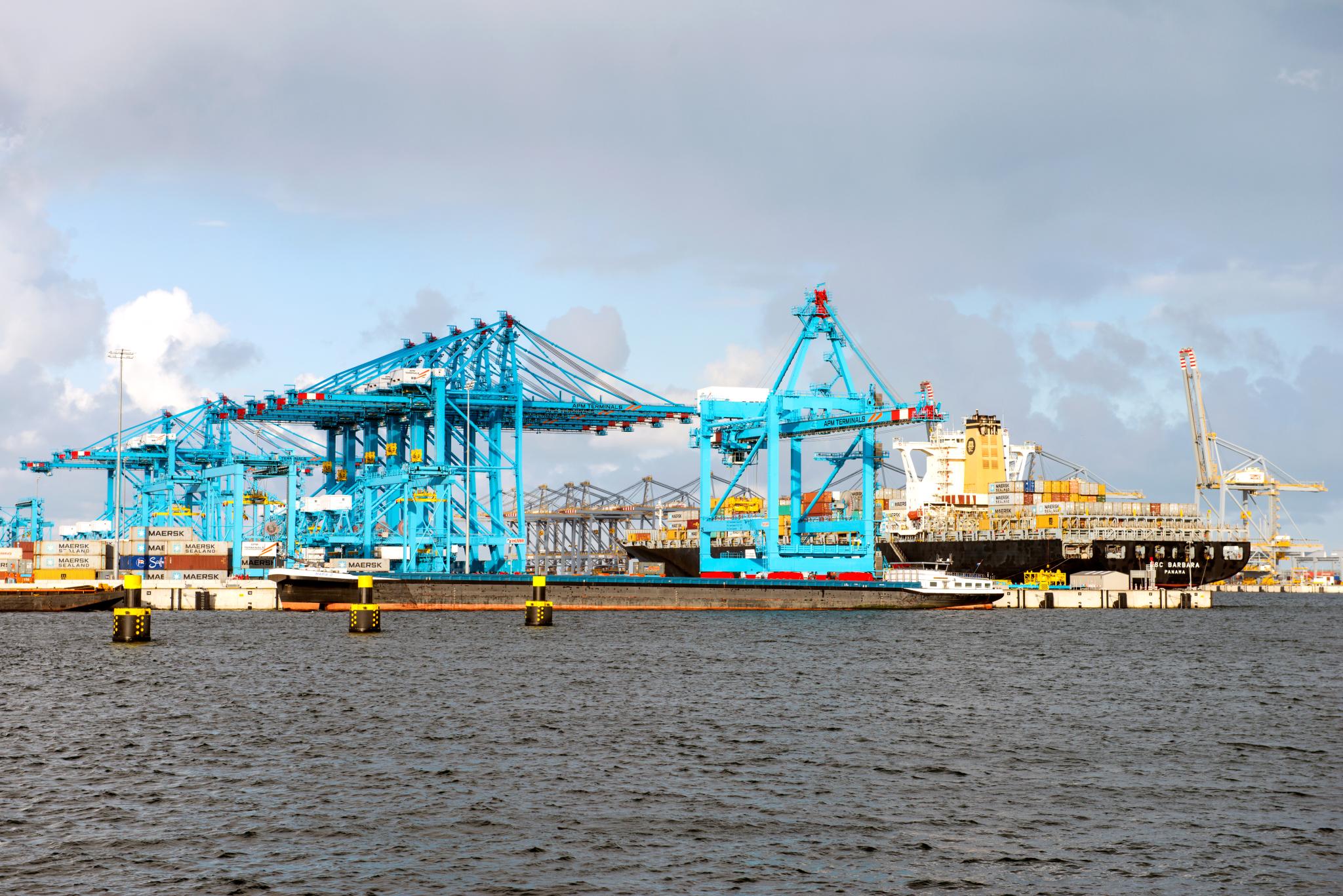
Thissen: ‘Precisely because South Holland has such strong international connections, there are also opportunities to benefit from recovery and innovation. We do indeed face risks, but we can also turn these into advantages. Think of new production chains closer to home, now that Europe is focusing on greater strategic autonomy. According to the PBL study Prosperity and the Living Environment (2025), this development will have a negative impact on South Holland as a whole, but with positive effects for agriculture and negative effects for the food industry.
‘Our logistics are vulnerable, but also flexible. And our ports are well connected to global networks. We have experience in risk diversification and finding new markets. That agility can help us through turbulent times. But there is a lot of uncertainty at the moment, both on a global scale and at the national policy level. That makes it difficult to respond effectively to changes.’
Are climate change and geopolitical pressure already affecting economic processes in this region?
Thissen: ‘The war in Ukraine highlights the vulnerability of the energy supply in this region. Gas supply and consumption are a cause for concern throughout Europe, and this is certainly true for South Holland. International differences in energy prices affect the competitive position of companies. The Netherlands – and South Holland in particular – is extra sensitive to gas price fluctuations, which drives up costs for internationally operating companies here. Making the energy sector more sustainable can reduce this sensitivity, but we will have to move faster than the rest of Europe to achieve this.’
You have to think about the question: what do you want to keep standing when it comes down to it?'
Filatova: ‘Definitely. Climate change is already having an impact on our society – think of heat stress among vulnerable groups – and on the economic and financial system. Climate risks have consequences for real estate, such as flooded basements and houses after heavy rainfall. These risks also have consequences for long-term investments, for example in the expansion of business activities in South Holland. Globally, including in the Netherlands and South Holland, these risks are still insufficiently reflected in market prices. Housing is scarce, which means that people continue to overbid on locations that are actually vulnerable. But that will change as soon as the consequences of land subsidence or flooding become more visible. Climate change is therefore not only a physical threat but also a financial risk.

Trade is under considerable pressure worldwide due to all kinds of geopolitical tensions. This is bound to have an impact on South Holland too.
Thissen: ‘It is clear that there will be consequences, but exactly what they will be and to what extent remains uncertain. That also depends on the scale at which you look at it. At the national level, the effects are often limited, at the regional level they are somewhat greater, and at the sector or company level they can be very detrimental. This is comparable to the consequences of Brexit: the exact details will have a major impact on the ultimate effects for specific industries in South Holland. It is therefore not yet possible to say where the greatest effects will occur. However, as a government, you need to be aware of the risks and develop policies in case specific industries in South Holland are suddenly hit hard. You need to consider the question: what do you want to maintain or not maintain when it comes down to it, and how do you want to do that?

What strengths should the region leverage to better navigate these uncertain times?
Filatova: 'We live in a delta region that has been creatively managing water for centuries. That historical experience is invaluable, and we can leverage this knowledge. Climate adaptation should not be an afterthought, but a basic requirement in everything we build and plan – especially now that there is such a severe housing shortage and lack of space.
'Combine knowledge of water safety with innovation: build houses that not only have energy label A, but are also flood-resistant, for example on artificially raised ground – a modern mound. If people are aware of the risks and we anticipate them, we can not only control them, but also reap economic benefits. South Holland can become a leading region – but only if governments, businesses and knowledge institutions dare to invest in the long term.’
We must take into account regional development strategies elsewhere in Europe'
Thissen: ‘South Holland has a strong economic starting position: logistics and the port, horticulture and a strong technology sector. Think of robotisation, biotechnology, quantum technology and AI – all solutions that can help us remain resilient and competitive in a rapidly changing world.
‘It is important to invest broadly in this technology and not just support the frontrunners. It is not yet possible to determine who tomorrow's winners will be. Choices are important, but it is more a matter of facilitating what is already flourishing and offering opportunities for new business to emerge. In doing so, it is important to take into account regional development strategies elsewhere in Europe and, for example, European policy in the field of strategic autonomy. And finally, our strength lies not only in what we have, but also in how quickly we are able to adapt.'
Prof. Dr. Tatiana Filatova is Professor of Computational Economics of Climate Change at Delft University of Technology. She researches how economics and climate change are interrelated and how societies adapt. She led the interdisciplinary 4TU programme on resilience from 2018 to 2024. She is also Academic Lead Climate Change Governance within the TU Delft Climate Action Programme.
Prof. Dr. Mark Thissen is professor of Spatial Networks and Economic Development at VU University Amsterdam and senior researcher at the Netherlands Environmental Assessment Agency. Using quantitative analysis techniques, he investigates the importance of regional (trade) networks for regional development in relation to geopolitics.
 This article is from the new Leiden-Delft-Erasmus white paper 'The Economy of South Holland: Earning - Distributing - Changing'.