
The Leiden-Delft-Erasmus Thesis Labs are environments where students from the three universities can complete their theses on pressing societal issues. Two of these labs this year focused on healthcare and sustainability: Green Healthcare and Global Women’s Health.
Green Healthcare
Now in its fifth edition, thesis lab Green Health Care (Groene Zorg) has grown into a strong and well-established community of sustainability-minded healthcare professionals, students, and researchers. The Lab focuses on reducing and reusing medical devices and medicines, a theme with real weight: the healthcare sector accounts for around seven percent of the Netherlands' total CO2 footprint, and a single operation generates an average of twelve kilograms of waste.
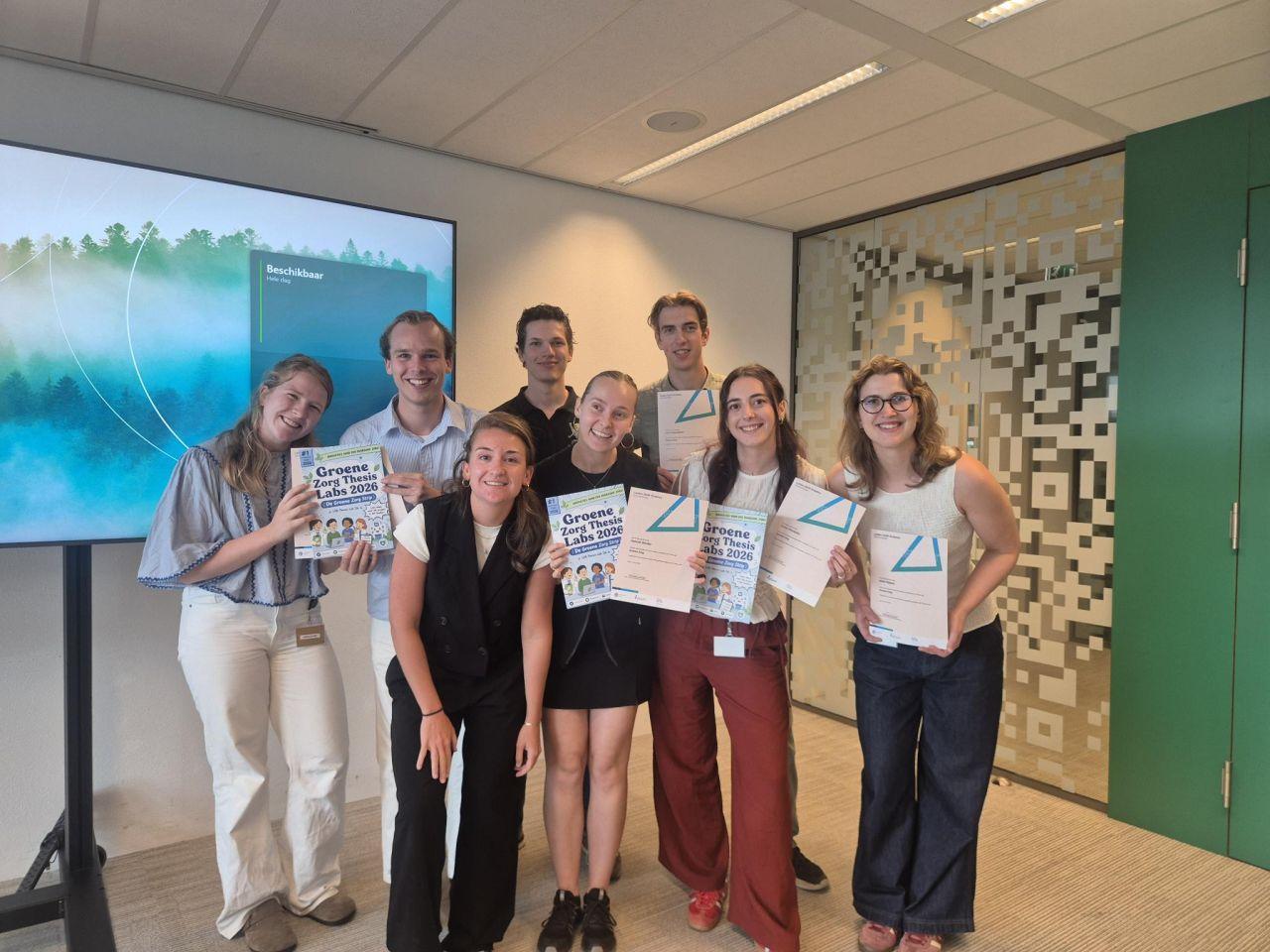
This year's cohort of eleven students, from Leiden University, TU Delft, Erasmus University, and Hogeschool Rotterdam, spent the past several months working on individual thesis assignments provided by healthcare organisations, alongside a shared programme of masterclasses, workshops, and site visits. Their final event took place at Zilveren Kruis in Leiden, where they presented their thesis research together with a set of concrete, actionable recommendations built around R-strategies: circular redesign of medical devices, reducing and rethinking the use of medication, and reducing waste of medical products more broadly.
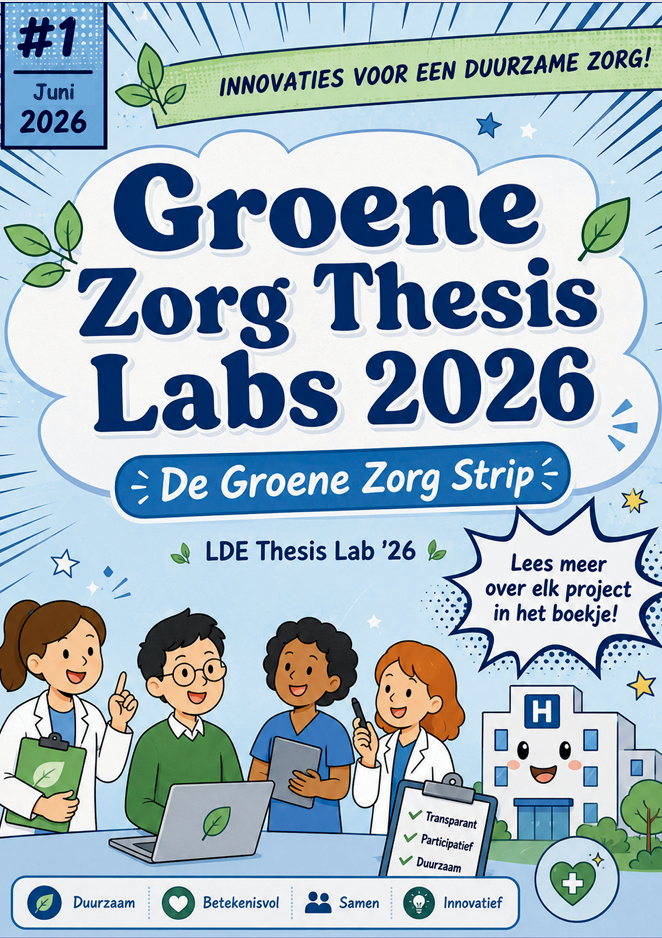 The students also translated a year of individual thesis research into a shared, illustrated magazine full of comic stories, an approach inspired by a storytelling workshop within the programme, facilitated by Christiana Strava. You can read the full magazine here: https://www.leiden-delft-erasmus.nl/nl/groene-zorg
Global Women's Health
Held for the first time this year, the Thesis Lab Global Women's Health explores how women's health can be improved at every stage of life, on a global scale. Healthcare has traditionally been developed around the male body, resulting in a persistent knowledge gap on female health, a gap with significant consequences for women's quality of life and for society more broadly, particularly in low- and middle-income countries.
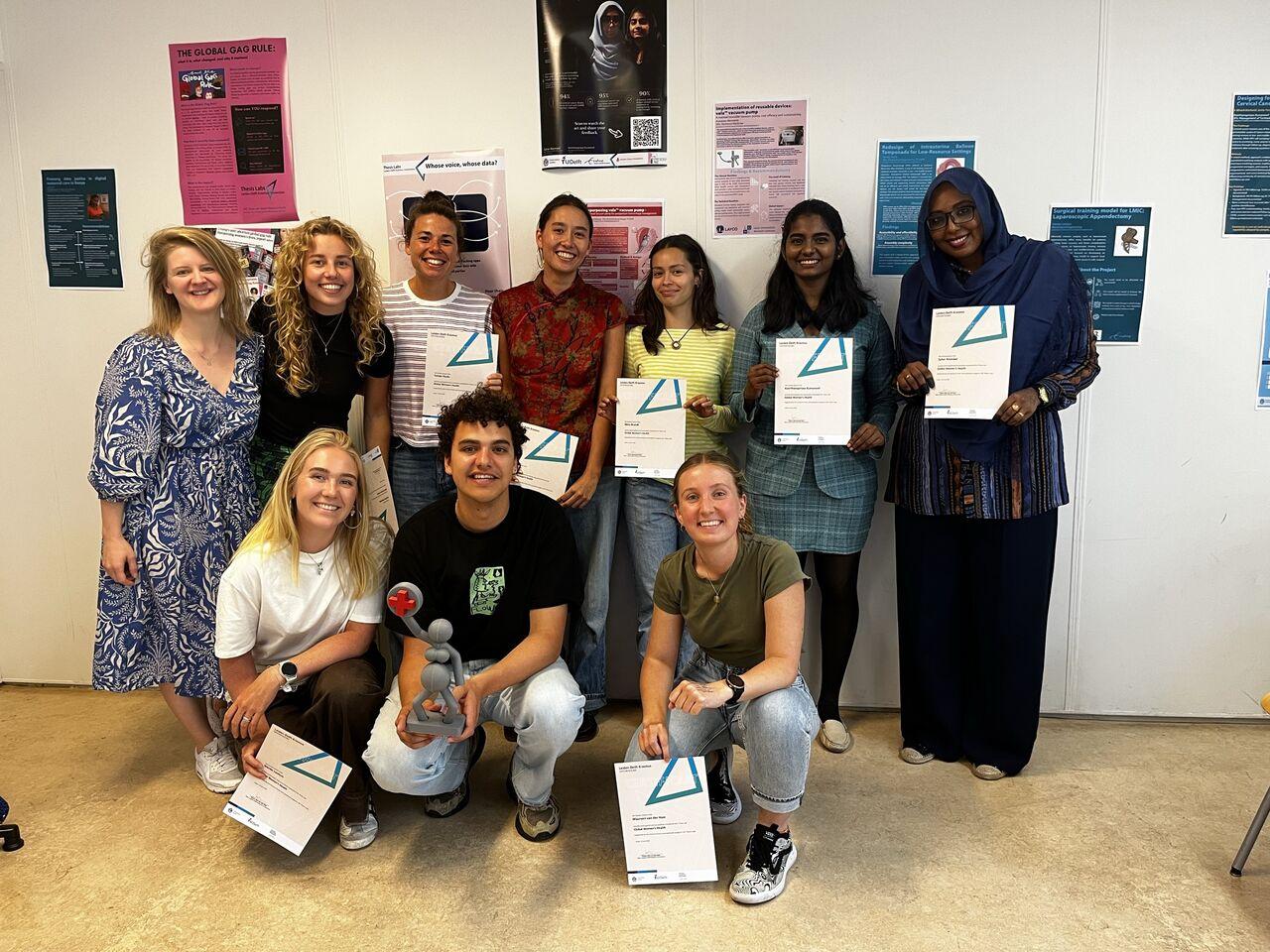
Nine students, from seven different degree programmes, worked on individual thesis assignments for organisations including LUMC, Erasmus MC, Pharm Access, Layco Medical Devices, and the Female Cancer Foundation, addressing topics such as postpartum haemorrhage and cervical cancer. Throughout the programme, particular attention was paid to digitalization, technical innovation, and sustainability, and to how such improvements can be effectively translated to healthcare in low-resource settings.
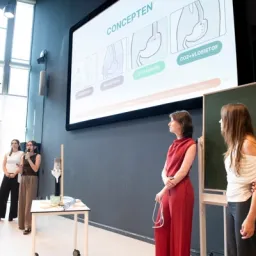
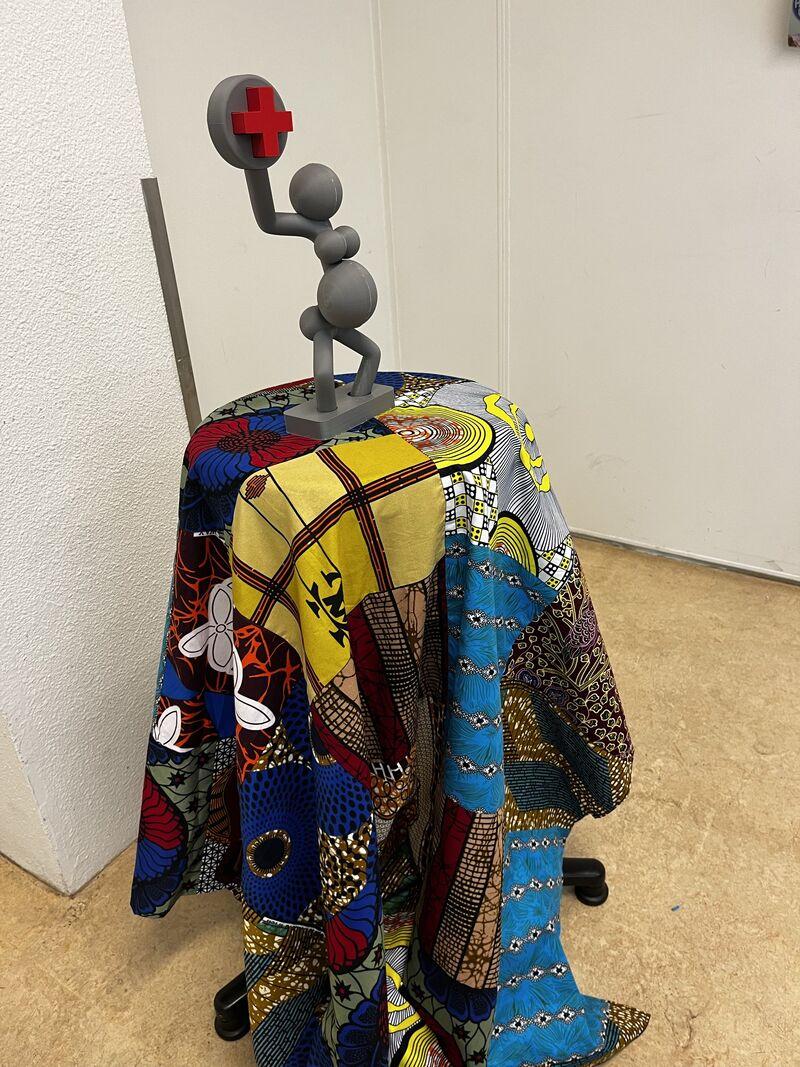 At their final event in Leiden, the students chose to present their findings not only through conventional academic formats, but also through artistic work, including a documentary and a sculpture. This gave attendees a memorable, hands-on way to connect with topics that do not get enough attention.
About the LDE Thesis Labs
Both Groene Zorg and Global Women's Health are part of the broader LDE Thesis Labs programme, in which graduating master's students from Leiden University, TU Delft, and Erasmus University Rotterdam write their individual master thesis based on a real-life challenge posed by an external organization. Alongside their individual research, students join an extracurricular programme of workshops, enrichment sessions, and excursions, in which they meet professionals, academic experts, and societal partners. Together, participants learn, share knowledge, and contribute to a shared, interdisciplinary result with genuine impact.
We would like to thank all students, thesis supervisors, case holders, and partner organisations, including Zilveren Kruis, LUMC, Erasmus MC, Sophia Birth Centre, Johnson & Johnson, Pharm Access, the Female Cancer Foundation, and many others, for their contributions to this year's programmes. Congratulations to all graduating students!