
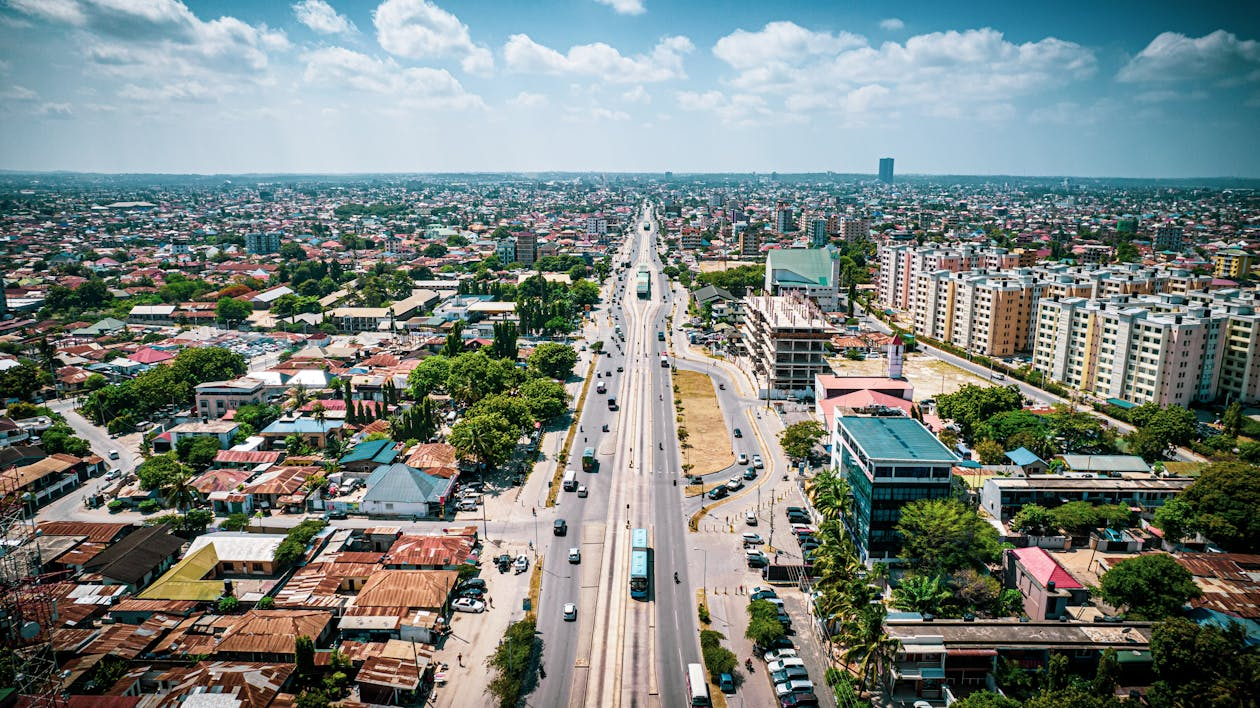
The universities of Leiden, Delft and Erasmus have decided to support four special projects through the LDE Global Fund. These projects bring together researchers from the three universities with partners from low- and middle-income countries.
Each project receives €25,000 to collaborate equally on pressing issues such as affordable housing, human health, inclusive cities and better urban policy. They demonstrate how LDE research can make a difference not only in South Holland, but all over the world.
This exchange of knowledge and cooperation is crucial, because the challenges there are the same as ours.
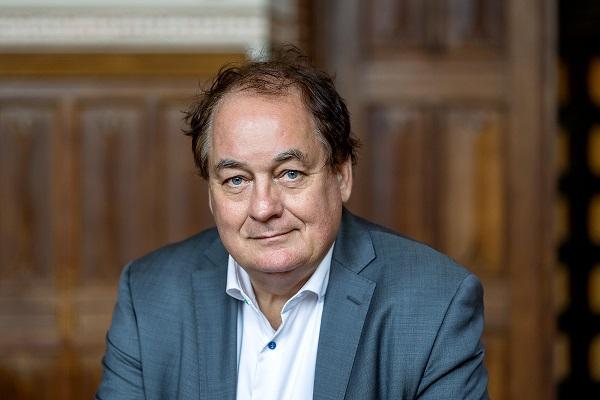 'Through these projects, LDE demonstrates that our research has a real impact, not only in South Holland but also internationally, thanks to collaboration and equal partnerships with colleagues elsewhere in the world,' says Wim van den Doel, Dean of Leiden-Delft-Erasmus Universities. 'We are located in the heart of South Holland, but we work on issues that are relevant everywhere. This exchange of knowledge and collaboration is crucial, because the challenges there are also ours.'
From Heat 2 Hope: Learning from informal construction
Dr. Anthony Boanada-Fuchs from the Institute for Housing and Urban Development Studies at Erasmus University Rotterdam is leading the project From Heat 2 Hope: Learning from informal construction. Together with Slum Dwellers International from Kenya and South Africa, the team is building a real informal dwelling in the main hall of the World Urban Forum 2026 in Baku.
Visitors can experience how millions of people with limited resources build their homes. There will also be an international competition for ideas about roofs, as these often become too hot. Winners will be able to present their solutions and receive assistance with testing in India and finding funding. The project will provide practical tips for improving informal housing around the world.
Understanding the Rise of Inflammatory Bowel Disease in Africa
Dr. Philip Voorneveld of Leiden University Medical Centre is leading Understanding the Rise of Inflammatory Bowel Disease in Africa: An LDE-Tanzania Research and Training Partnership. In collaboration with the Kilimanjaro Christian Medical Centre in Tanzania and the University of Dodoma, they are creating the first test dataset on immune responses in patients with inflammatory bowel disease in East Africa.
Using advanced imaging techniques on tissue samples, plus analyses of bacteria in stool and blood, they compare Tanzanian cases with Dutch ones. At the same time, they are expanding a training course on gastrointestinal diseases and immunity with a workshop for trainers.
Autism-friendly public spaces for young people's health and wellbeing
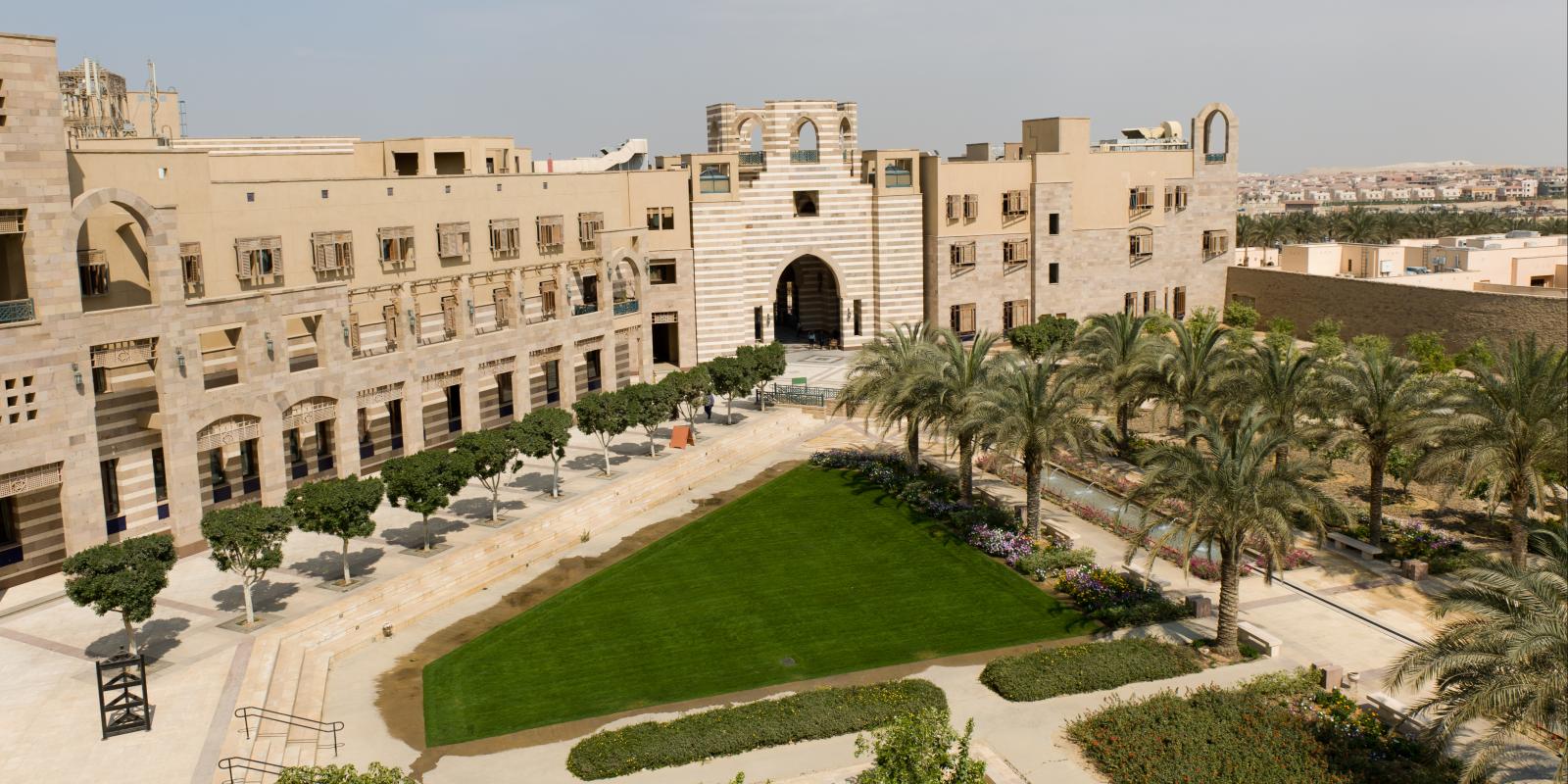
Prof.dr. Ellen van Bueren of Delft University of Technology, Faculty of Architecture, leads Enhancing Youth Health and Well-Being through Autism-Friendly Public Space Design: A Cross-Cultural Co-Creation Approach. In Leiden and Cairo, together with Prof. Magda Mostafa of the American University in Cairo, teams are looking at how public spaces can better suit young people with different ways of thinking and feeling.
They develop guidelines on how places can offer tranquillity, clarity, and choice. Two workshops with young people, designers, and local authorities resulted in a digital toolkit and policy recommendations. The project demonstrates that designing for autism improves the quality of life for all young people, from Paramariboplein to neighbourhoods in Cairo.
Polyphonic urban governance: music as a tool for change
Dr. Peter Scholten of the Institute for Housing and Urban Development Studies at Erasmus University Rotterdam and colleagues from Leiden and Delft are conducting Polyphonic Urban Governance: Exploring the role of music for transformative urban policy change. With partners in Paramaribo (Suriname), Kingston (Jamaica) and Nairobi (Kenya), they are organising two international workshops.
In it, they use music, such as rhythm, improvisation and polyphony, as an example and method for better policy. Participants look at clashes, harmony and spontaneity in urban decisions and create ‘Music Labs’: interactive meetings for policymakers. The project questions Western, purely logical ways of policymaking and helps to create more democratic, connective and versatile governance in times of multiple crises.
Strategic value for LDE and the world
Cooperation is paramount in these four projects: no one-way traffic from North to South, but genuine partnerships that lead to follow-up in education, research and policy. The initiatives directly contribute to the UN Sustainable Development Goals, such as health (SDG 3), sustainable cities (SDG 11), reduced inequality (SDG 10) and strong partnerships (SDG 17).
Leiden-Delft-Erasmus Assessment Committee
The assessment committee, consisting of Prof. Dr. Jenny Dankelman (Delft University of Technology), Prof. Dr. Marleen Dekker (Leiden University), and Prof. Dr. Jurian Edelenbos (Erasmus University Rotterdam), selected these projects from many submissions because of their potential for sustainable impact.
By working with partners in Africa, Asia and Latin America, we devise solutions that work everywhere.
'These projects demonstrate that Leiden-Delft-Erasmus universities not only produce knowledge, but also contribute to a more equitable world,' adds Dean Van den Doel. 'By working with partners in Africa, Asia and Latin America, we devise solutions that work everywhere, from the streets of Nairobi to the squares of Rotterdam.'
The projects will commence later in 2026.