
Want to take an interdisciplinary minor abroad and explore the subject you are studying for yourself? Learn about developments in Morocco and urban transformations? You can, with the new minor Urban Studies in Morocco: Cities in Transition. This minor is open to all students at Leiden University, Delft University of Technology and Erasmus University Rotterdam.
In the coming academic year (2026–2027), the collaborating Leiden-Delft-Erasmus universities, in partnership with NIMAR (Netherlands Institute in Rabat) and Université Internationale de Rabat, will launch this unique new minor.
Together with Moroccan students
A unique opportunity for third-year bachelor's students who want to enrich their knowledge in a new environment and collaborate with Moroccan students and lecturers, and vice versa. The minor addresses urban issues in a culturally diverse and interdisciplinary context, combining different fields of study.
Urban transformations in Morocco
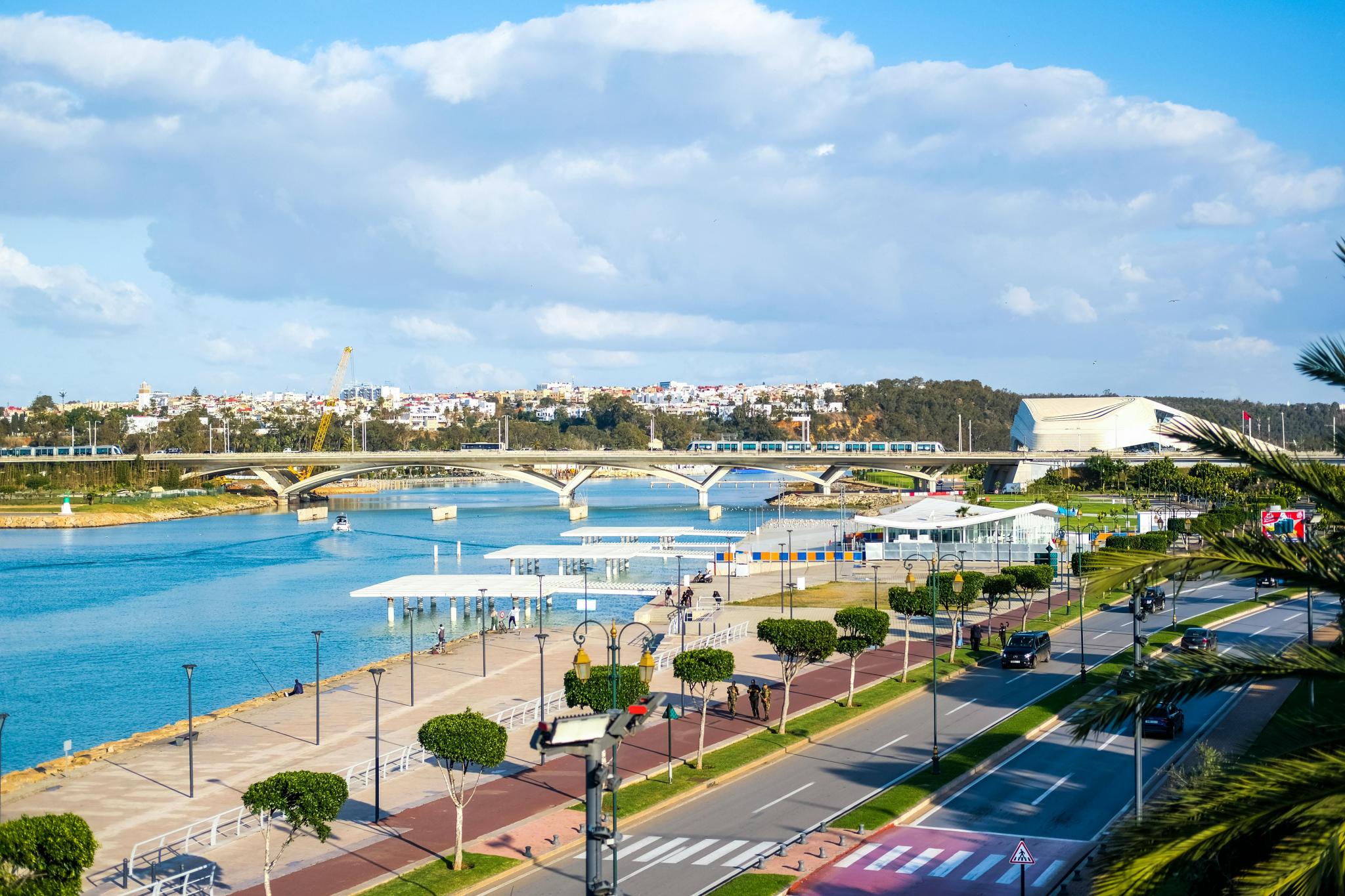
What will urban transformations in Morocco look like in the future? Which infrastructure developments, demographic changes and environmental aspects are reshaping cities? Students will investigate this and examine topics such as governance, heritage, sustainability and inequality. The methodology is interdisciplinary, practice-oriented learning. Theory and policy are linked to everyday experiences in city life.
Interdisciplinary teams
Students from diverse disciplinary backgrounds work in interdisciplinary teams to study urban transformations in Morocco as a living laboratory. It combines humanities, design, social sciences, and technical perspectives around three core themes: urban heritage, urban renewal, and cities of the future.
From top-down management to practical experience
Through challenge-based learning, students engage with policymakers and local communities, bridging top-down governance and lived experience. Students will connect theory, policy, and lived experience while contributing to knowledge co-production and societal impact.
International collaboration in practice
According to Dr. Rim Yassine Kassab, coordinator of the minor, the programme is about more than just transferring knowledge:

In this minor, you don’t just study cities: you experience them. You will work in interdisciplinary teams, explore Moroccan cities through fieldwork, and engage with real urban challenges alongside local communities and policymakers. If you are curious about how cities change in practice, want to learn beyond the classroom, and enjoy hands-on, international learning, this minor offers a truly unique experience.'
Dr. Rim Yassine Kassab, coordinator of the minor
Léon Buskens, director of NIMAR, agrees. He emphasises the broader social perspective of the collaboration:

Morocco is getting ready to host the world cup football in 2030. It is also looking for sustainable solutions to create new jobs, to produce food and energy in a “green” manner and to play a leading role between Africa, Asia and Europe. These ambitions take shape in large infrastructural works, such as ports, highways and high speed railways, and through extensive urban renewal projects in a selected area.
At the same time, diverse groups in society cherish a rich past, conceptualised as material and immaterial heritage. How do policy makers, members of local communities, artists, intellectuals and other actors experience and shape these changes?'
Pr. Dr.Léon Buskens, director of NIMAR